Step 1
Confirm the release identity
Start with artist, title, year, UPC, source release ID, format, and visible cover details. Similar records can split by pressing, label, country, promo status, or reissue.
Use Discogs-linked release identity, sold comps, active listing floors, ask-only labels, and collection context before pricing a record or adding it to a portfolio.
90-second workflow
Music markets get noisy when broad artist searches blend pressings, formats, years, and condition. Start from the exact release, then read the market evidence.
Start with artist, title, year, UPC, source release ID, format, and visible cover details. Similar records can split by pressing, label, country, promo status, or reissue.
Completed sales are buyer-cleared evidence. Active listings are supply context. Ask-only records should stay directional until sold evidence catches up.
Media and sleeve condition can move vinyl values quickly. A sealed, near-mint, promo, or damaged sleeve copy should not be blended without checking the listing evidence.
Use the exact item page when a collection row, watch, sale, or trade depends on one release. Broad artist searches are useful for discovery, not final value decisions.
Live examples
Each page keeps the release source, current market read, confidence, active listings, sold comps, and collection actions together.
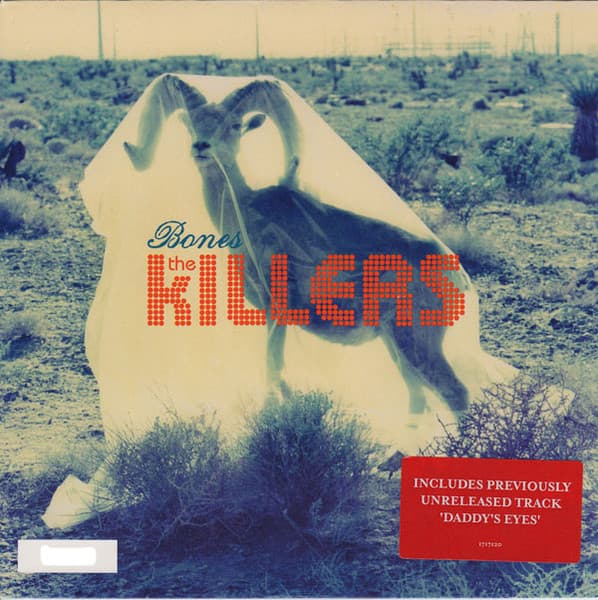
A live example from an observed search where title and artist resolve before treating vinyl as a generic keyword.
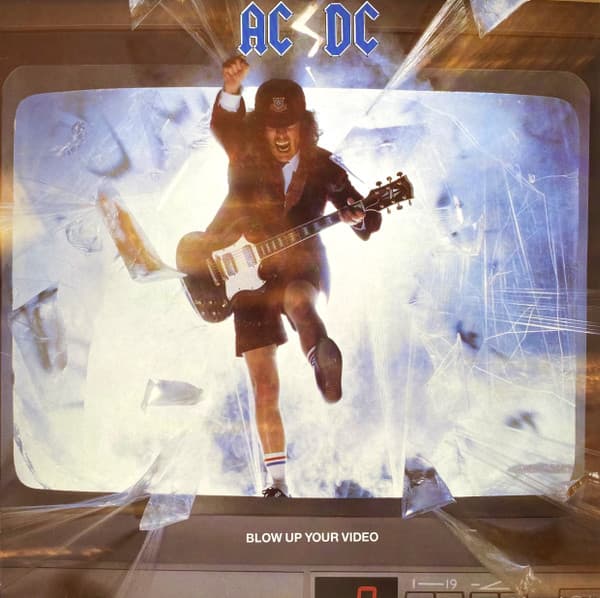
A useful music row when buyer-confirmed sales and confidence should matter more than one active ask.
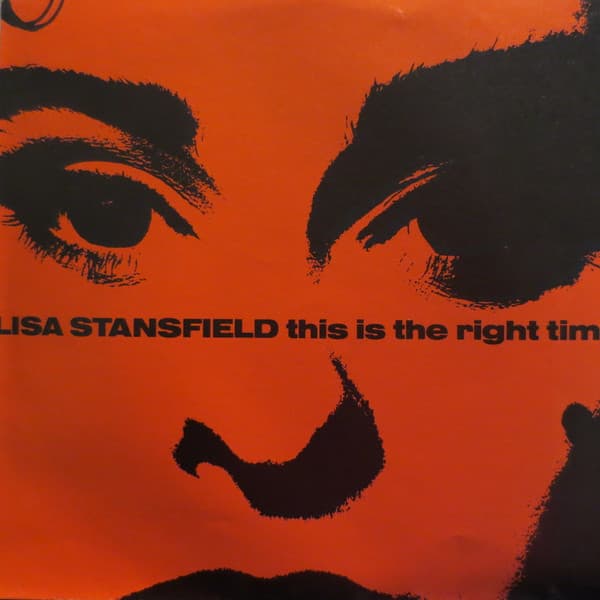
A production-viewed vinyl page where exact release identity, source, and current ask context stay together.

A Discogs-linked record page useful for checking how a thin market should be read before saving a collection row.
Value signals
A record can look cheap or expensive for the wrong reason when one signal is isolated. Use the page evidence before making a buy, sell, trade, or collection decision.
A clean record value starts from release identity. Source metadata and item naming help keep one pressing from inheriting another pressing market.
Record condition, jacket condition, inserts, promos, sealed copies, and visible wear can change a value more than the artist name does.
Use sold comps and confidence labels when they are present. Treat ask-only values as supply clues, not final appraisals.
Once the exact release is identified, save it to a collection or watch it so future price checks stay tied to the same record.
Quick check
These checks keep broad music demand from turning into a bad record-specific value.
Does the item page match the artist, title, year, UPC, and cover?
Is the value based on sold comps, active asks, or an ask-only market?
Do listing titles and photos match the same release or pressing?
Is media and sleeve condition visible enough to trust the comp?
Would a collection row need notes for sealed, promo, or sleeve condition?
FAQ
Start with the exact artist, title, release year, UPC or source release ID, and format. Then compare sold comps, active listing floors, condition context, and confidence before treating the value as usable.
Vinyl values can differ by pressing, label, country, promo status, reissue, color, condition, sleeve condition, inserts, and demand for a specific version.
Active listings show current seller asks and supply. They are useful context, but sold comps are stronger evidence because they show prices buyers actually accepted.
Yes. Open the exact music item page and add it to a collection so quantity, notes, cost basis, current value, and future checks stay tied to the same release.