Step 1
Exact printing first
Confirm set, collector number, foil or nonfoil finish, promo treatment, language, and art before comparing any price.
Use TCGPlayer market, TCG low, recent sold comps, active asks, condition, and reprint risk as separate signals before buying, selling, or holding a Magic card.
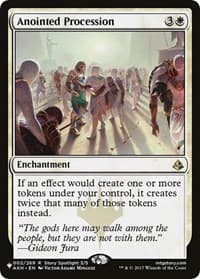
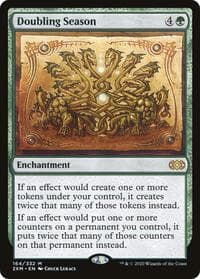
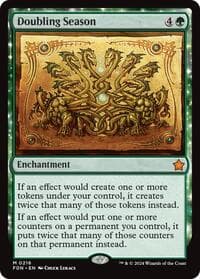
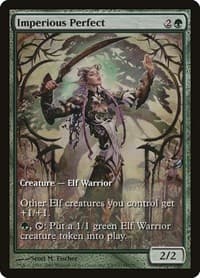
The useful read is not one number. It is the gap between what cleared, what is listed, and what a buyer can execute today.
Decision stack
A clean MTG price check starts with identity, then buyer-confirmed evidence, then condition, then current retail replacement cost.
Confirm set, collector number, foil or nonfoil finish, promo treatment, language, and art before comparing any price.
Recent sold comps show where buyers actually cleared. TCGPlayer market is useful, but it can lag real execution.
Near Mint, LP, mixed NM/LP, and unknown-condition eBay sales should not be blended into a clean NM read without a label.
TCG low usually says more about the current buyable range than market price, especially when market is above recent solds.
Active listings show seller intent and available inventory. They are not sold-market value unless buyers actually clear there.
Current cash value and hold value are different questions. A card can be worth $50 today and still be a poor hold if reprint risk is high.
July 2026 case study
In this example, TCGPlayer market sat well above the recent sold-comp estimate. TCG low was closer to the buyer-confirmed range, while eBay sold evidence needed a condition caveat.
Open Sold EvidenceCondition-aware value
LP sales are real market evidence, but they answer a different question than a Near Mint TCGPlayer market number. The right move is to label the evidence, not hide it.
Keep this bucket separate when comparing recent solds against TCG market or TCG low.
Keep this bucket separate when comparing recent solds against TCG market or TCG low.
Keep this bucket separate when comparing recent solds against TCG market or TCG low.
Fast rule
If recent solds and TCG low agree, but TCG market is meaningfully higher, treat the market number as retail context until fresh sales prove buyers are clearing there.
Buy, sell, hold
Anchor on recent solds and TCG low, then decide whether TCGPlayer convenience is worth the premium.
Use sold comps for cash expectations, then compare against buylist or marketplace net after fees and shipping.
Start with executable value, then separate reprint risk, deck demand, Commander demand, and alternate-printing pressure.
Live MTG examples
These item pages keep print, finish, market signals, confidence, and current listing evidence together.
Recent sold comps around $52, TCG low near $55, and TCG market near $68 made this a useful spread check.
A good reminder to separate current executable value from future reprint risk.
Multiple printings can carry different liquidity, art demand, and reprint expectations.
When recent sold evidence is thin, guide and ask signals should be labeled as weaker.
FAQ
Use these rules when a card has a visible spread between guide price, low ask, and real sales.
No. TCGPlayer market is a useful retail reference, but cash value should also consider recent sold comps, TCG low, condition, fees, and how quickly the card can be sold.
Not always. LP sales are real clearing evidence, but they should be separated from Near Mint evidence when the comparison is against a Near Mint TCGPlayer price.
TCG low matters more when you are asking what a buyer can execute today. TCG market matters more as a reference point, but it can overstate cash value when recent solds are lower.
Reprint risk does not change what recent buyers paid, but it changes whether a current price is attractive to hold. Use it after the current executable range is clear.