Check LEGO minifigure values from exact figure evidence.
Use figure numbers, loose-complete condition, sold comps, active listing floors, and set-breakup context before pricing a LEGO minifig or parting out a set.
90-second workflow
Price the exact minifigure, not the nearest-looking listing.
LEGO minifigures are small, but the market is precise. A swapped head, missing cape, or wrong helmet can turn a clean comp into noise.
Start with the fig number
Search the LEGO figure number, printed name, theme context, and visible accessories before trusting a comp. Similar heads, torsos, helmets, capes, or legs can split into different markets.
Use the loose-complete lane
Most minifigure checks should start from the loose-complete value, then adjust if the figure is missing accessories, has wrong parts, or is being sold as part of a larger set.
Separate sold value from active floor
Sold comps show where buyers cleared. Active floors show current supply. A minifig can look expensive in active listings but still have thin or stale sold evidence.
Check set-breakup context
For LEGO sets, minifig value can explain why a sealed or used set trades above its part-out floor. Use the item page breakdown before assuming the whole set and the minifigs move together.
Value signals
What to check before you use the number.
The best minifig read keeps identity, condition, evidence, and set context separate instead of forcing every signal into one price.
Figure number and exact parts
Confirm the Rebrickable-style figure number and visible part mix before comparing price. Small print, headgear, cape, and accessory changes can invalidate a broad listing.
Loose Complete vs incomplete
Treat missing accessories, wrong replacement pieces, cracked torsos, or heavy wear as separate from loose-complete pricing. The clean lane should not absorb incomplete comps.
Matched sold comps first
Use buyer-confirmed sales before active asks. Thin minifig markets need sample size, freshness, and title matching to avoid overreacting to one optimistic seller.
Set value and minifig value
A set with valuable minifigs can have a different resale profile than a part-heavy set. Read the minifig breakdown when deciding whether to keep the set together or evaluate figures separately.
Live examples
Open a real minifig page and keep the evidence together.
Each example links to a public CollectAIO item page with the current value read, matched evidence, and listing context.
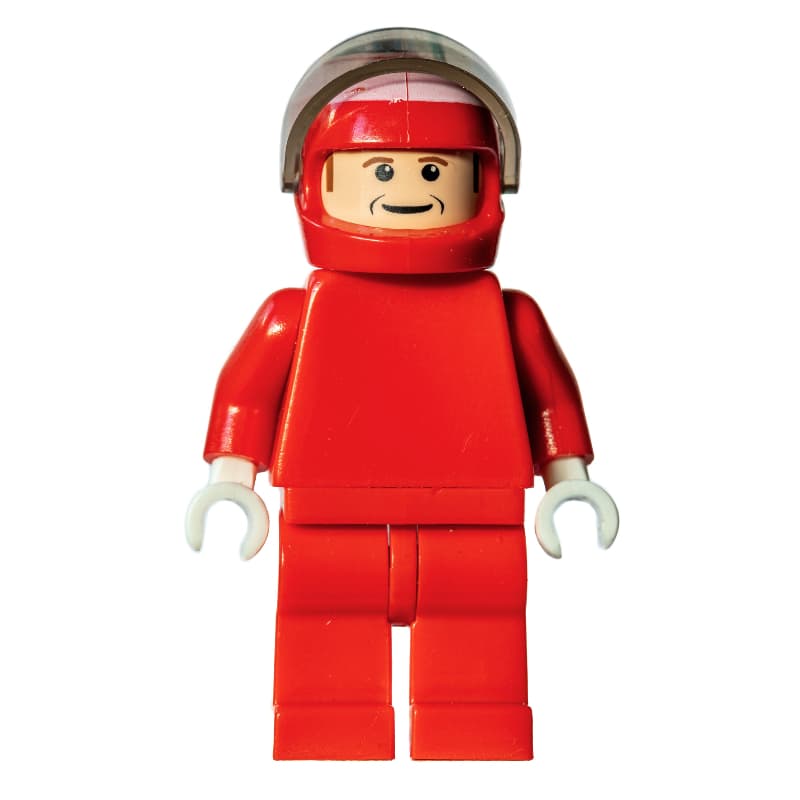
Race Driver R. Barrichello / F. Massa
A live minifig example where the figure number keeps search and comps aligned.
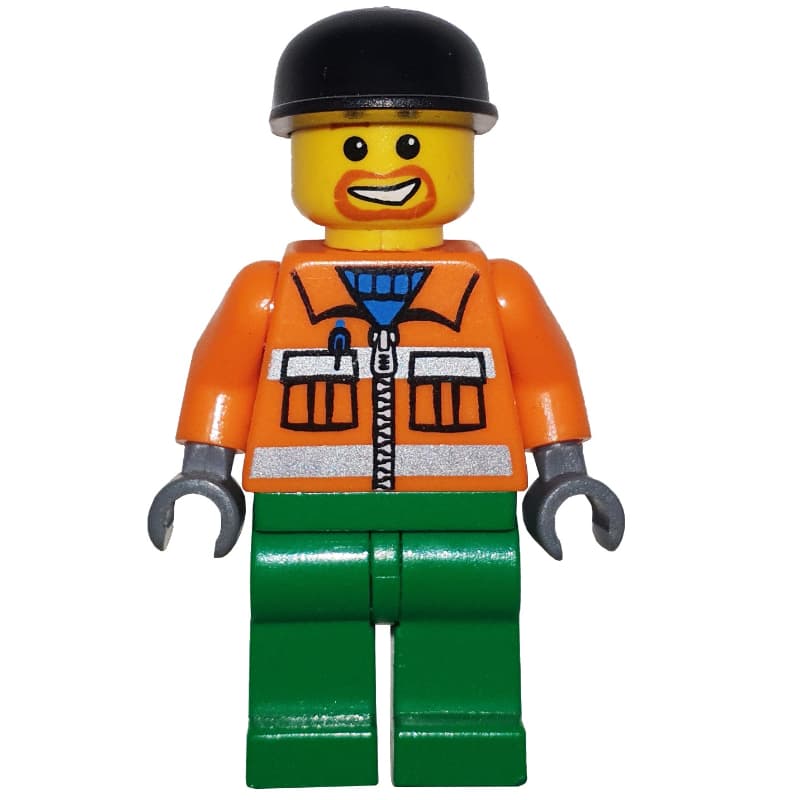
Construction Worker Orange Jacket
Useful for checking how torso, legs, headgear, and accessories affect exact identity.
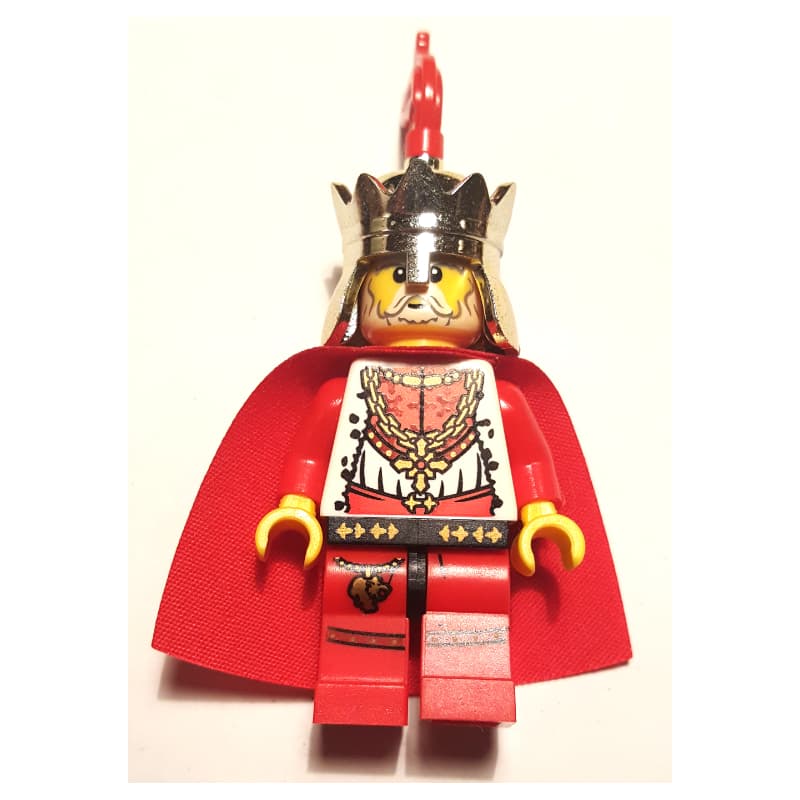
Chess King Red Cape
A compact example for reading loose-complete value alongside current listing evidence.
Before buying
A short checklist for loose minifig deals.
Use this before accepting a lot price, splitting a set, or comparing a minifigure to a sold listing.
Does the title or photo show the same figure number?
Are the helmet, hair, cape, weapon, torso, and legs complete?
Are sold comps recent enough to use as a value anchor?
Is the active floor cheaper after shipping, taxes, and seller quality?
Does the whole set value depend heavily on one or two minifigures?